Sea of Tranquility first came out in 2022. It made a bit of a splash in speculative fiction booklists, appearing alongside others like Babel by R.F. Kuang, How High We Go in the Dark by Sequoia Nagamatsu, and The Cartographers by Peng Shepherd.
It is set across five centuries, with storylines spanning from 1912 to 2401, when time travel has become possible. We meet the characters: Edwin St. Andrew, an English immigrant exiled to Canada in 1912, a woman named Mirella in 2020, a famous author named Olive on a book tour in 2203, and finally, an investigator named Gaspery-Jacques Roberts in 2401. When a piece of violin music ripples mysteriously across time—heard by different people in different eras—Gaspery, the time-travelling detective, is dispatched to investigate. Each life across these different eras is linked by this single shared moment of disruption, dubbed the ‘anomaly’.
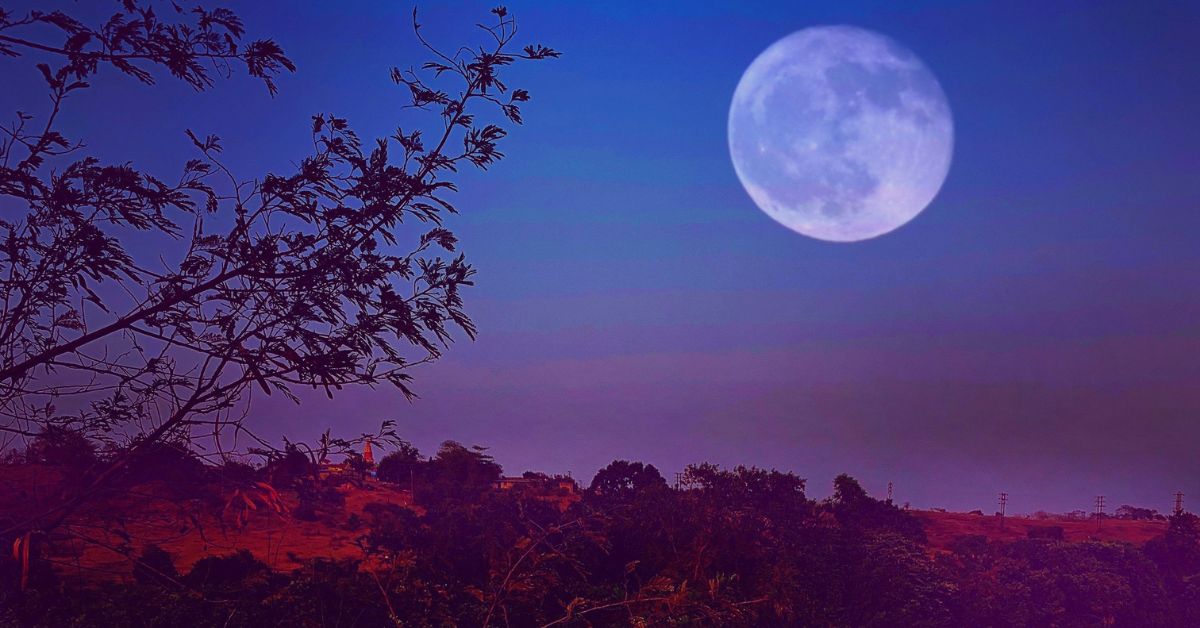
I was dead set on not reading it, as the promotional blurbs made mention of moon colonies, and I wasn’t interested in that kind of futuristic sci-fi. Then, I was lured back in when I found it on another reading list for books with Simulation Theory storylines, like the Netflix show 1899. If the title sounds familiar, it’s because it’s the name of a moon feature, and the landing site for the Apollo 11, which carried the first humans to the moon in 1969. Mandel’s title is not to be confused with The Sea of Tranquility, a young adult romance novel by Katja Millay. I learned that the hard way when, nine chapters into a high school drama, I began to wonder when the moon colonies would appear. True story.
It turned out to be primarily a time travel novel—with a pandemic storyline. Mandel wrote it during the 2020 COVID-19 pandemic, a fact I did not know when I began to read it. Had I known, I would’ve skipped it. The pandemic years were a tedious time. We were all there for the initial rumours of people collapsing in the streets in China and hospitals being over capacity. We watched the news grimly as government officials reported the first cases, instituted lockdowns, and weeks later, extended them. Images of hauntingly empty streets flooded our feeds, along with videos of makeshift refrigerated container morgues, all those celebrities without makeup on, the funeral pyres that burned day and night when the delta variant tore through India. We heard the ambulances and heeded the call to wash our hands, sanitise our homes and learn to breathe through masks.
“They don’t want us there,” Edwin said.”Not a great deal of ambiguity on that point, I’m afraid.”
“Young man,” his father said, “we have brought nothing but civilization to these people—”
“And yet one can’t help but notice,” Edwin said, “that on balance, they rather seem to prefer their own. Their own civilization, that is. They managed quite well without us for some time, didn’t they? Several thousand years, wasn’t it?”
It was like being strapped to the roof of a runaway train!
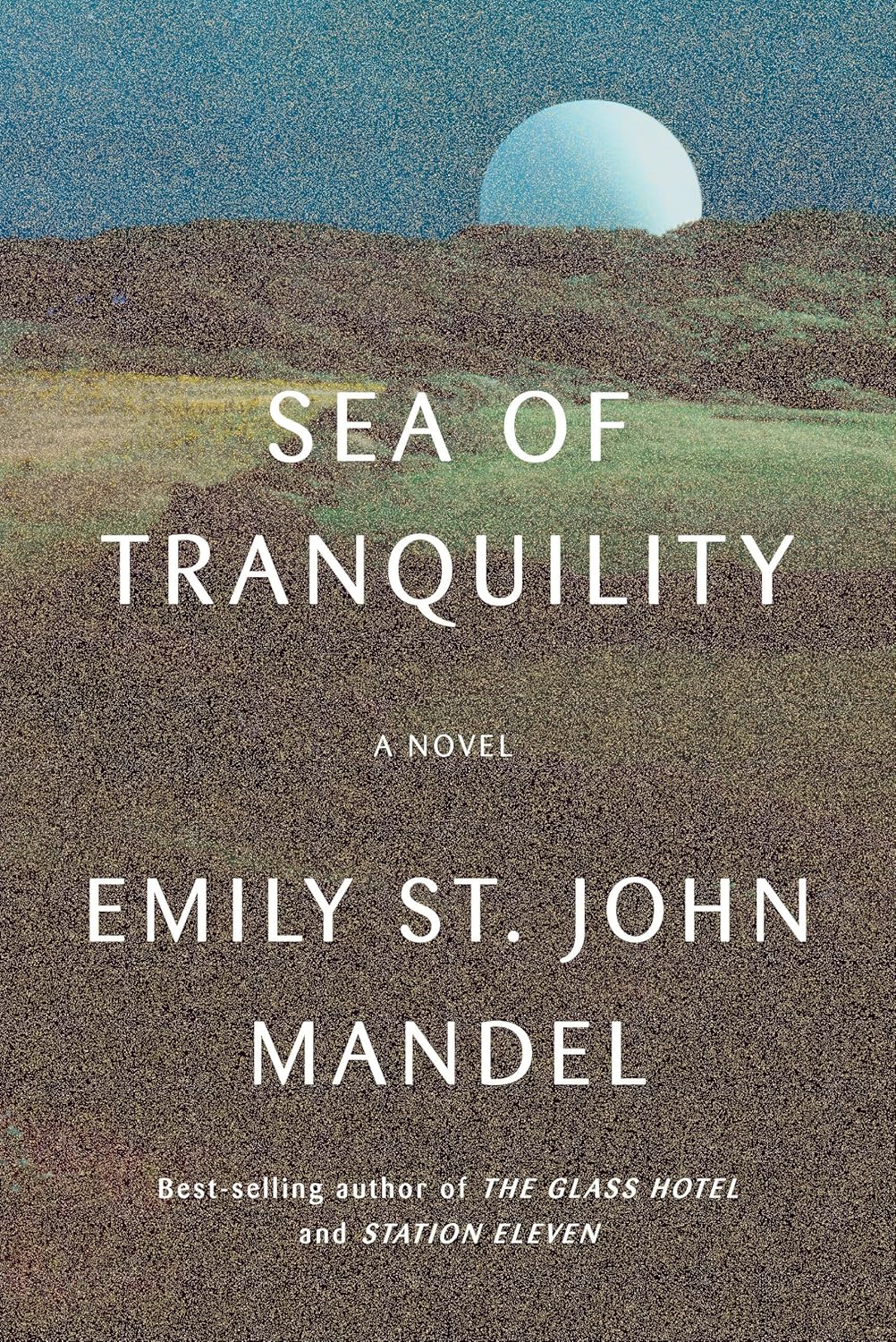
Sea of Tranquility by Emily St. John Mandel
Why in the world would anyone want to relive that in literature? I, for one, didn’t. I resolved not to read any pandemic books. Moreover, I resented anyone who could actually be creative and productive when the rest of us were wired and on edge from all that doomscrolling.
Nevertheless, I powered through, enticed by the possibility of a satisfying (if not eye-opening) resolution to the simulation storyline, which Mandel settled in about three sentences (Sacrilege!). One of the characters is a writer named Olive, who is away from her home and family on a book tour. In those sections, you can’t help but feel that you’re reading about Mandel herself, rather than Olive. It does take you out of the story—as do the pandemic bits—but only fleetingly, as the premise of the mystery is compelling enough to draw you back in. While researching this review, I came across an interview published on The Lit Hub confirming that those sections were indeed autofiction, so my instinct was right.
Still, it was an easy and quick read, largely due to Mandel’s light and seamless writing style. Despite there being many characters across multiple timelines, the stories are so memorable that little repetition is needed to remind the reader who is who. Is it mind-bending? Not particularly, no, and that’s not a bad thing. It does have a ‘what came first, the chicken or the egg’ quality to it, but that’s to be expected in a time travel mystery.
If you prefer watching to reading, HBO Max is currently adapting Sea of Tranquility for TV, along with another of Mandel’s books, The Glass Hotel. An earlier work, Station Eleven, first published in 2014, aired as a series in 2021. If you’re looking for something that moves quickly and doesn’t demand too much of you while still giving you something to chew on, this is a solid pick. Just maybe brace yourself for the pandemic chapters. I give it three and a half stars.